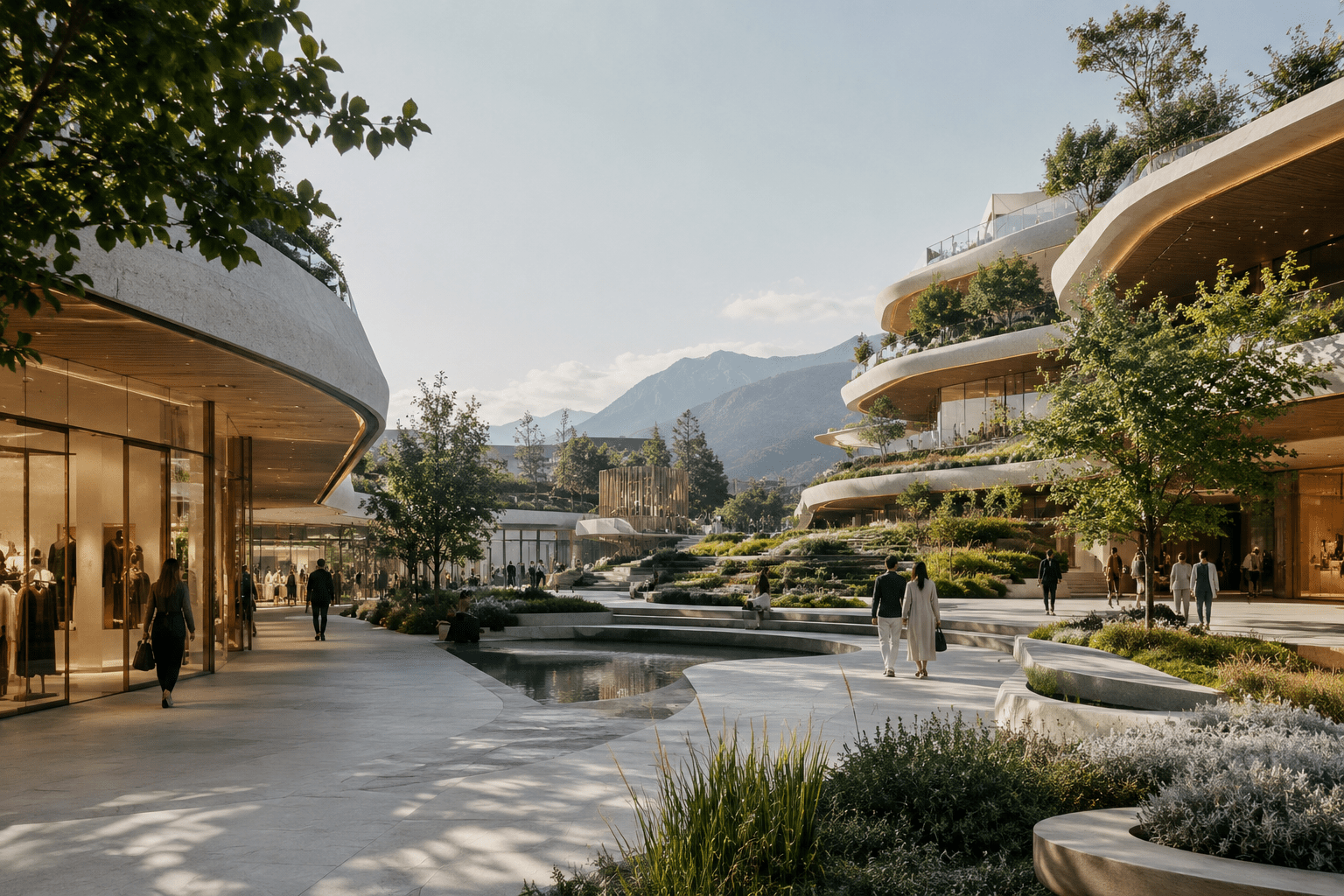
Oakridge Park and the New Era of Luxury Fashion in Vancouver
For decades, luxury shopping in Vancouver has largely centred around a familiar stretch of downtown. Alberni Street, Robson Street, Howe Street and the surrounding blocks became home to the city’s most recognizable designer boutiques, department stores and international fashion houses.

The opening of Oakridge Park Vancouver has changed that map.
Officially opened on May 28, 2026, Oakridge Park brings more than 100 brands and approximately 650,000 square feet of retail space to the city’s geographic centre. It combines luxury fashion, jewellery, dining, public art, residences and cultural programming within a 28-acre development.
That scale alone makes it one of Vancouver’s most significant retail projects in decades. More importantly, its arrival reflects a wider change in how people experience luxury.
Customers still care about the product, of course. But they increasingly expect shopping destinations to offer something beyond a row of stores. They want thoughtful architecture, hospitality, food, culture and a reason to spend time in the space.
Oakridge Park responds directly to that shift.
Its designer lineup includes many of fashion’s most established houses alongside contemporary brands, Canadian names and lifestyle retailers. At the same time, its arrival creates an opportunity to look at Vancouver’s complete fashion ecosystem—including the independent boutiques that continue to introduce customers to emerging, avant-garde and less familiar designers.
Why Oakridge Park Matters to Vancouver Fashion

The former Oakridge Centre was already an important shopping destination, but the new development operates on a very different scale.
Co-developed by QuadReal Property Group and Westbank, Oakridge Park is designed as a mixed-use neighbourhood rather than a conventional enclosed mall. Its first completed phase brings together retail and dining, while the wider development is planned to include residences, office space, a community centre and the largest public library on Vancouver’s West Side.
The project matters to Vancouver fashion for several reasons.
First, it creates a second major centre for luxury retail outside the downtown core. Vancouver shoppers no longer need to travel to Alberni Street to visit a concentrated selection of international fashion houses.
That’s significant in a city where luxury retail has historically been geographically compact.
Oakridge Park is also positioned near major residential neighbourhoods and directly connected to the Canada Line. Its location makes designer shopping more accessible to customers travelling from Richmond, Vancouver International Airport and other parts of the city.
Second, the project gives several brands the opportunity to create larger or more ambitious Vancouver stores.

Luxury fashion is increasingly communicated through physical space. A boutique isn’t simply somewhere to place clothing on racks. Architecture, furniture, lighting, artwork and service all contribute to how customers understand a brand.
Oakridge Park describes its shops as some of the most ambitious store concepts in Vancouver, and its directory brings together major names across fashion, jewellery, beauty, wellness and lifestyle.
Finally, the development signals confidence in Vancouver as an international luxury market.
The city has long attracted shoppers from across Western Canada, the United States and Asia. It also has a local customer base that’s increasingly knowledgeable about fashion and less dependent on traditional ideas of status.
Today’s Vancouver shopper might buy a recognizable luxury handbag, an experimental pair of shoes and a locally designed graphic T-shirt within the same season.
That mix is important. Luxury has become more personal, and Oakridge Park arrives at a moment when customers are building wardrobes across categories rather than remaining loyal to one narrowly defined look.
The Luxury Brands We Love at Oakridge Park
The list of Oakridge Park stores includes some of the world’s best-known fashion houses, but the most interesting part isn’t simply the number of logos.
Together, these brands represent several very different ideas of modern luxury.
Acne Studios

Acne Studios brings a distinctly contemporary perspective to the development.
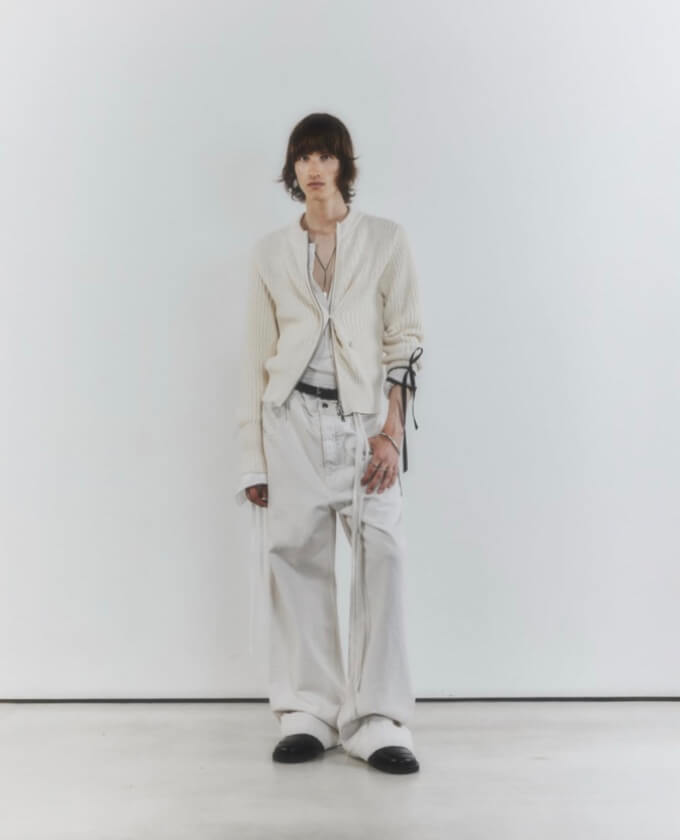
Founded in Stockholm, the label is known for treating everyday garments—denim, knitwear, T-shirts, leather jackets and tailoring—as spaces for experimentation. A familiar piece might be altered through an unexpected wash, elongated sleeve, irregular proportion or carefully placed graphic.
The brand occupies an interesting position between luxury fashion and contemporary culture. Its collections are directional, but they rarely feel disconnected from how people actually dress.
That makes Acne Studios particularly suited to Vancouver.
The city has always had a relaxed relationship with clothing. Even customers who invest in designer fashion often want pieces that can move between work, travel, dinner and ordinary daily life.
Acne Studios understands that rhythm. Its jeans, sweaters, bags and outerwear can be distinctive without demanding a completely formal wardrobe.
Explore the Acne Studios collection at Feuille for clothing, footwear and accessories from the Swedish house.
Maison Margiela

Maison Margiela represents a more conceptual side of luxury.
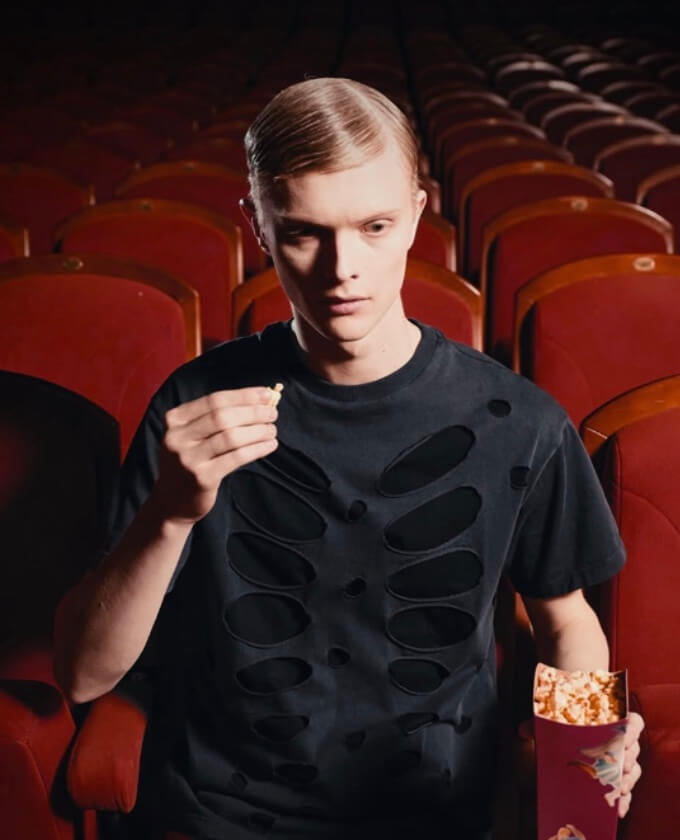
Founded in Paris in 1988, the house became known for revealing garment construction rather than hiding it. Linings, seams, unfinished edges and altered vintage materials were brought to the surface and treated as design features.
That approach changed how people thought about luxury.
Instead of relying on prominent branding, Margiela asked customers to pay attention to ideas, materials and process. The house’s four white stitches remain recognizable precisely because they’re so restrained.
Its most iconic design, the Tabi, reinterprets the split-toe form of traditional Japanese socks across boots, loafers, sneakers and ballet shoes. The shape can be polarizing at first, but that tension is part of its appeal.
Maison Margiela’s arrival at Oakridge Park reflects the development’s effort to go beyond only the safest luxury names. It gives Vancouver customers direct access to a house that has influenced generations of designers while maintaining its own distinct vocabulary.
Shop Maison Margiela at Feuille for Tabi footwear, ready-to-wear, bags and accessories.
Miu Miu and Prada

Prada and Miu Miu show two different sides of the same wider fashion family.
Prada has built its reputation on intellectual tension. Its collections regularly combine ideas that seem incompatible: uniforms and decoration, utility and luxury, awkwardness and elegance.
A nylon bag can become a status object. A severe skirt can be paired with deliberately unusual footwear. Familiar clothing is made interesting through contradiction.
Miu Miu takes a more youthful and openly playful approach. Cropped proportions, embellishment, vintage references and school-uniform elements often appear throughout its collections.
In recent years, Miu Miu has played a major role in shaping fashion conversations around micro skirts, ballet flats, preppy layering and intentionally undone styling.
Having both houses at Oakridge Park matters because they demonstrate that established luxury brands don’t need to remain visually predictable. Heritage can support experimentation when a company understands its own identity.
Loewe

Loewe has become one of the defining luxury houses of the current era.
The Spanish brand is especially respected for its leather craftsmanship, but its recent influence reaches far beyond handbags. Sculptural clothing, surreal accessories and a strong connection to contemporary art have given Loewe an unusually broad cultural presence.
The Puzzle, Flamenco and Squeeze bags show the house’s technical approach to leather, while its ready-to-wear often transforms everyday objects and familiar shapes through humour.
A heel might resemble an ordinary household object. A garment may appear folded, inflated or frozen in motion.
What keeps the work from feeling like a novelty is the quality of its construction.
Loewe’s presence among the Oakridge luxury brands gives Vancouver shoppers access to fashion that’s imaginative but grounded in serious craft.
Brunello Cucinelli and Loro Piana

Not every form of luxury needs to announce itself.
Brunello Cucinelli and Loro Piana represent a quieter approach focused on fabric, finish and long-term wear. Cashmere, fine wool, suede and soft tailoring are central to both houses.
The distinction is often visible only at close range.
A sweater may appear simple until you feel the material. A jacket’s value becomes clearer in the way its shoulder sits or how easily it moves with the body.
This kind of luxury has become increasingly relevant as customers reconsider what makes a purchase worthwhile.
Rather than choosing an item because it’s immediately recognizable, some shoppers are prioritizing comfort, construction and the number of ways a garment can be worn.
That doesn’t mean logos have disappeared. It means the market now has room for several definitions of status.
Louis Vuitton, Chanel and Dior

Louis Vuitton, Chanel and Dior bring the authority of historic French luxury to Oakridge Park.
Each house has an enormous visual archive and a set of products that can be recognized almost instantly. Louis Vuitton has its monogram canvas and travel heritage. Chanel has quilting, tweed, chains and the double-C emblem. Dior has the Cannage pattern, structured tailoring and handbags such as the Lady Dior.
These stores will naturally attract customers looking for established icons.
But their presence also shows how important physical retail remains at the highest end of fashion. Luxury customers often want to see leather, compare finishes, understand scale and speak with someone who knows the collection.
Can an online image fully communicate how a bag feels in the hand or how a jacket has been constructed? Usually not.
That sensory experience is one reason major houses continue investing heavily in destination boutiques, even as e-commerce becomes more sophisticated.
Thom Browne and Moncler

Thom Browne and Moncler expand the definition of luxury in two different directions.
Thom Browne begins with classic American tailoring and school uniforms, then changes their proportions and context. Grey suits, cardigans, pleated skirts and striped details form a highly recognizable system that often challenges conventional gender categories.
Moncler approaches luxury through technical outerwear.
Its down jackets grew from functional mountain clothing into globally recognized fashion pieces. The brand’s success demonstrates how performance, protection and luxury can occupy the same garment.
Both labels feel relevant to Vancouver, where climate and lifestyle affect how customers shop. Outerwear matters here. So does clothing that can move between formal and casual settings without feeling out of place.
Canadian Fashion’s Place in the Conversation

Oakridge Park is dominated by major international fashion houses, but Vancouver’s fashion identity isn’t shaped only by imported brands.
Canadian designers continue to contribute their own perspectives to the global market.
Arc’teryx and lululemon, both represented at Oakridge Park, began in Vancouver and helped transform technical and athletic clothing into major lifestyle categories. Their international success is closely connected to the city’s outdoor culture.
A different side of Canadian fashion can be seen through Domrebel.
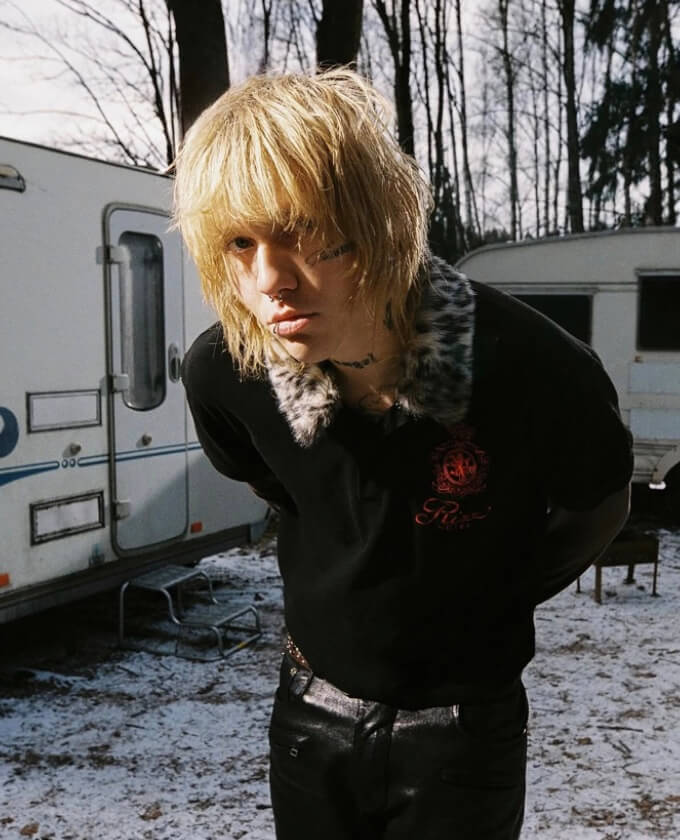
Founded in Montreal, Domrebel approaches casual clothing as a surface for art. Hand-drawn characters, distressed treatments, paint effects and graphic interventions give its T-shirts, hoodies and accessories a deliberately imperfect quality.
The work sits between fashion, contemporary art and street culture.
Rather than attempting to imitate a traditional European luxury house, Domrebel has developed its own language. That independence is what gives the brand international appeal.
Explore the Domrebel collection at Feuille for graphic clothing and accessories from the Canadian label.
Brands such as Domrebel are important because they broaden the conversation around Canadian fashion.
Canada may not have a couture system comparable to Paris, but its designers often work with fewer established rules. That freedom can create interesting results—especially when local culture, art, music and practical dressing are allowed to influence the product.
More Than Shopping

Oakridge Park isn’t intended to function only as a place to make purchases.
Time Out Market Vancouver opened alongside the development on May 28, bringing together local chefs, restaurants and culinary concepts in one shared space. The current lineup includes names such as DownLow Chicken, Lunch Lady, Via Tevere, PiDGiN, Mello and Beaucoup Bakery Café.
The development also incorporates public artwork, live programming and gathering spaces.
Among its commissioned installations are works by Musqueam artist Diamond Point, Howie Tsui, Haegue Yang and Brian Jungen. These pieces help separate the project from a conventional shopping centre by making art part of the visitor’s movement through the property.
This approach reflects a wider change in retail.
When almost anything can be ordered from a phone, physical destinations need to offer experiences that can’t be placed in a shipping box.
Food, architecture, music, art and human interaction give people a reason to visit—and to return even when they don’t arrive with a specific purchase in mind.
Beyond Oakridge Park: Vancouver’s Independent Fashion Scene

Oakridge Park strengthens Vancouver’s luxury landscape, but the city’s fashion culture can’t be understood through major international boutiques alone.
Independent retailers serve a different purpose.
A global house naturally presents its own complete world. An independent boutique can place several worlds beside one another, showing customers connections they might not otherwise discover.
That process is called curation, but good curation involves more than choosing attractive products.
It requires understanding the customer, the local market and the way different collections can work together. It also means taking risks on designers that aren’t already familiar to everyone walking through the door.
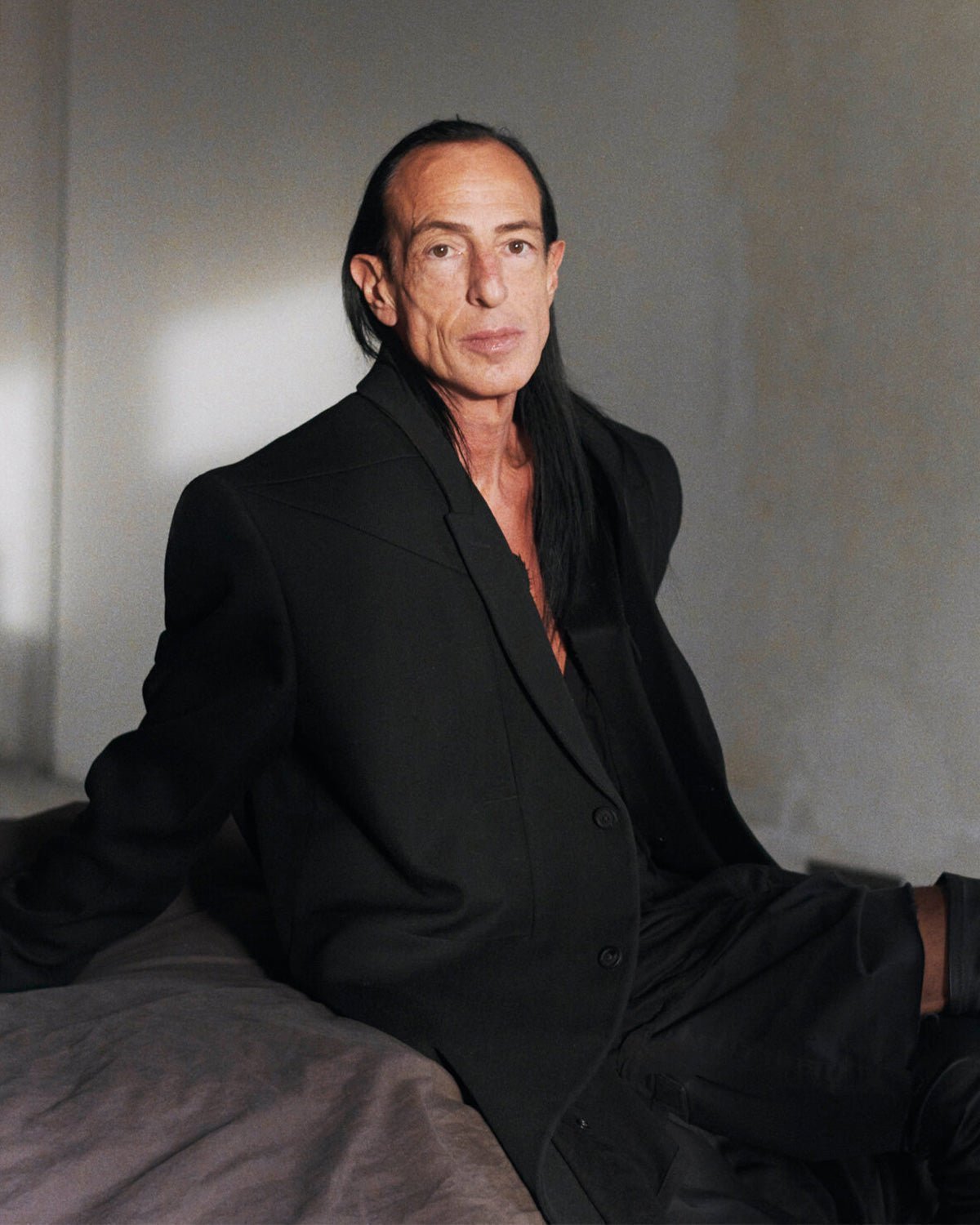
At Feuille, that might mean presenting the sculptural darkness of Rick Owens alongside Maison Margiela’s conceptual construction, Acne Studios’ modern wardrobe and the graphic immediacy of Domrebel.
These brands don’t share one aesthetic. What connects them is a distinct point of view.
Independent stores also provide context.
A customer may recognize a pair of shoes online but still have questions: How does the size run? Why is the construction unusual? Which collection does it belong to? How should it be worn with pieces already in their wardrobe?
Knowledgeable service can turn an interesting product into something personally relevant.
That’s where independent boutiques continue to matter, even as Vancouver gains increasingly ambitious luxury developments.
Oakridge Park and the city’s independent retailers don’t need to compete for exactly the same role. They can strengthen different parts of the same fashion community.
One offers the scale and immersive environments of global flagships. The other offers close curation, discovery and a perspective shaped by the people who actually live and dress in the city.
Discover Contemporary Fashion at Feuille
Oakridge Park represents an exciting new chapter for luxury shopping in Vancouver. But the best fashion discoveries don’t always come from the biggest names or the largest spaces.
Feuille has curated contemporary, avant-garde and luxury fashion in Vancouver since 2007, bringing together designers with clear identities and lasting cultural influence.