

Maison Margiela & MM6: Two Visions, One Radical Legacy
Maison Margiela & MM6:
Two Visions, One Radical Legacy

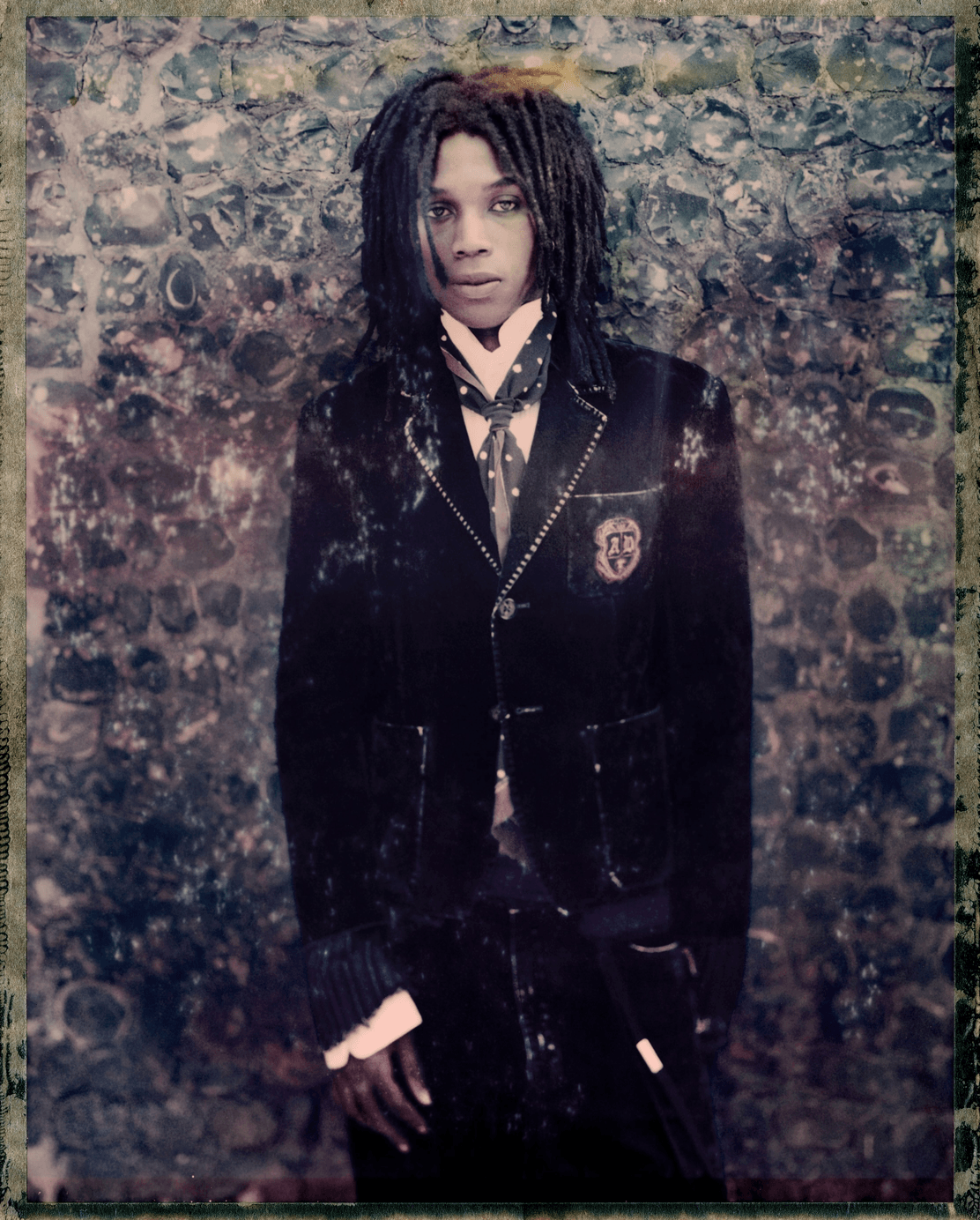
Few fashion houses have reshaped modern dressing as profoundly as Maison Margiela. Built on anonymity, deconstruction, and intellectual rigor, the brand has never followed fashion — it questions it.
From this foundation emerged MM6, a secondary line that translates Margiela’s conceptual language into a more accessible, everyday wardrobe. Together, they form a dialogue between avant-garde purity and wearable experimentation
.
Maison Margiela has never been about spectacle. Since its founding in 1988 by Belgian designer Martin Margiela, the house has operated in quiet opposition to the fashion system — rejecting logos, celebrity, and even the designer’s own visibility. Instead, it proposed a different kind of luxury: one rooted in concept, construction, and thought.
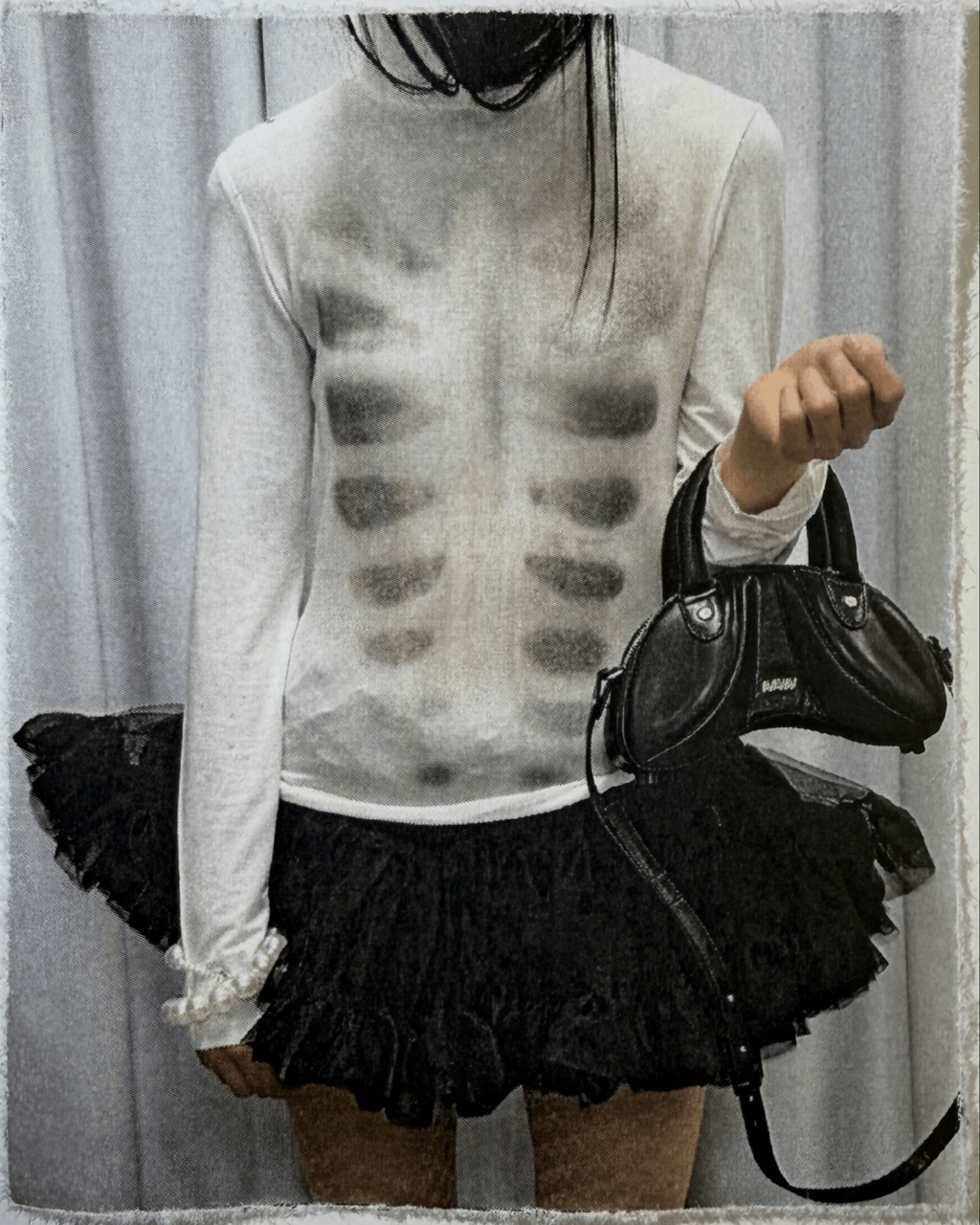
Garments were deconstructed, seams exposed, linings revealed. Clothing appeared worn, aged, or unfinished, as if history itself had been stitched into the fabric. This approach wasn’t about rebellion for shock value — it was about asking a deeper question: what does clothing mean once you remove its surface?
This philosophy would go on to influence an entire generation of designers — and eventually, give rise to a second voice within the house itself.
Maison Margiela: Clothing as Intellectual Language


At its core, Maison Margiela treats fashion as a form of research. Each collection reads like an essay — examining tailoring, memory, uniform, and identity. Fabrics are chosen not for decoration but for their honesty: wool remains heavy and raw, cotton feels utilitarian, leather shows wear instead of polish.
The silhouettes are deliberate and often challenging. Coats feel architectural. Dresses appear reconstructed from past lives. The palette stays restrained, allowing texture and form to do the talking. These are garments that reward attention — designed to be studied as much as they are worn.
Maison Margiela occupies a rare position in fashion: luxury that resists desirability, and beauty that emerges slowly, over time.
Why MM6 Exists: When Ideas Enter Everyday Life

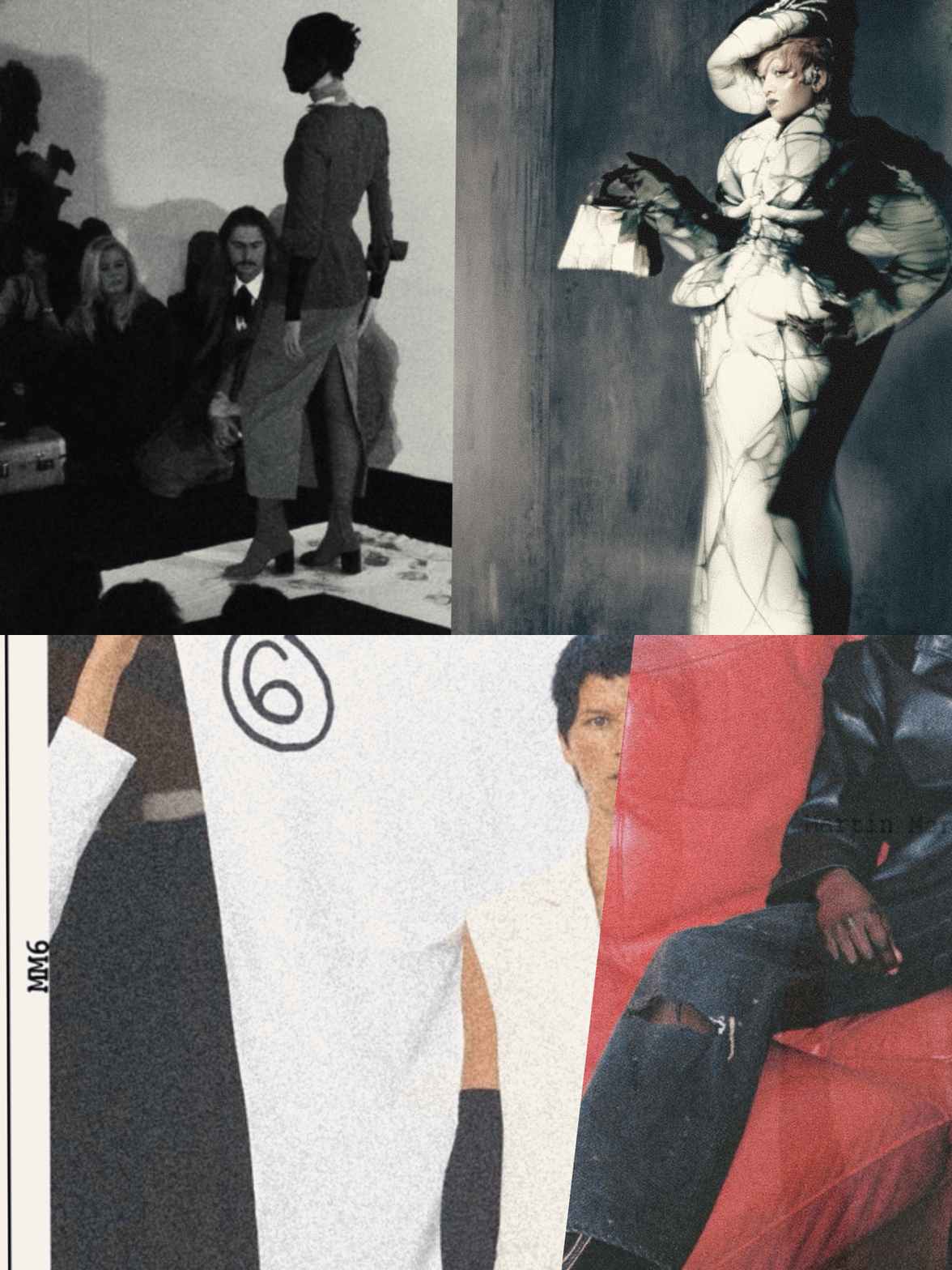
MM6 was introduced in 1997 not as a simplification of Margiela, but as its evolution. Where the main line speaks in theory, MM6 speaks in practice.
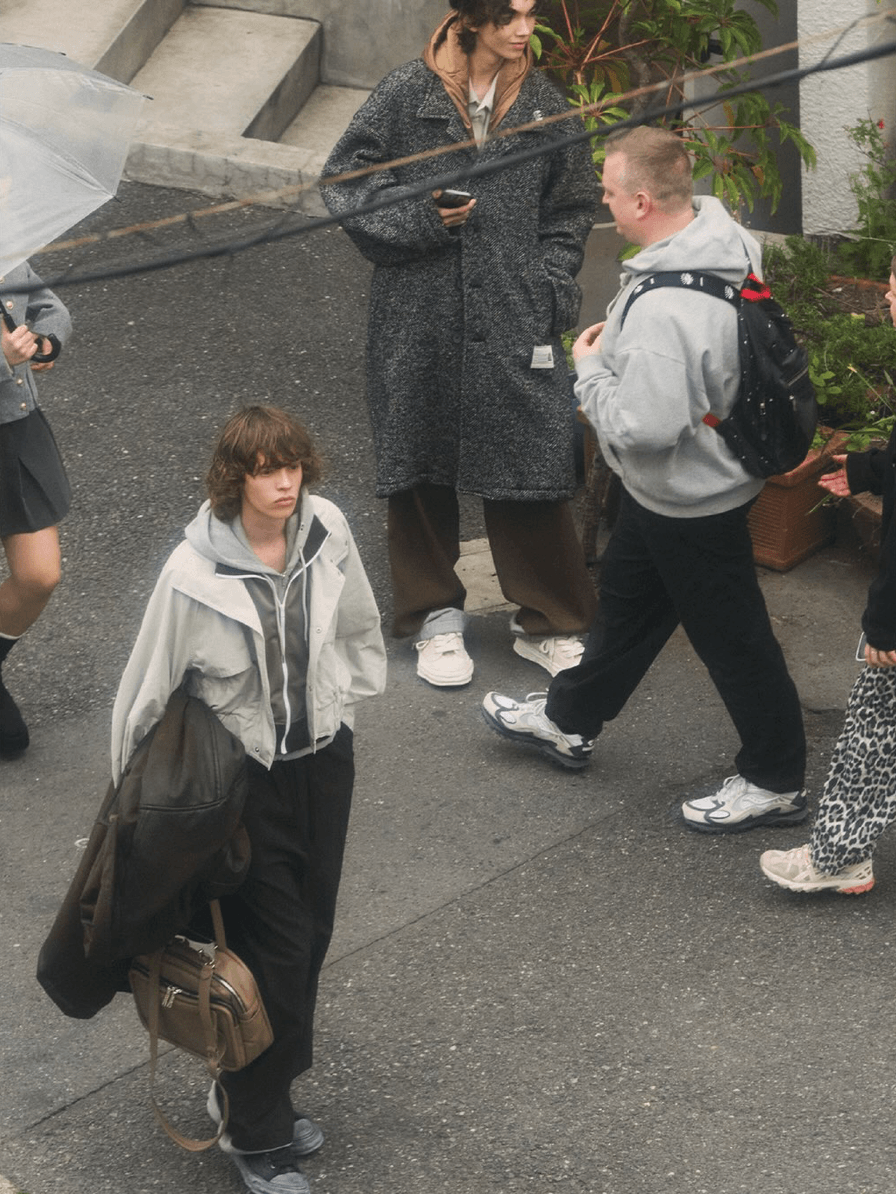
The conceptual language remains — altered proportions, unexpected cuts, subtle disruption — but it is applied to pieces meant for daily wear. T-shirts, tailoring, denim, and knitwear become the canvas. The result is clothing that feels intelligent without being intimidating.
MM6 does not abandon Margiela’s principles; it translates them. It allows experimentation to move faster, silhouettes to feel lighter, and garments to integrate seamlessly into modern wardrobes.
Two Lines, One Philosophy

The relationship between Maison Margiela and MM6 is not hierarchical — it is complementary.
Maison Margiela is introspective and archival. Its garments feel permanent, almost museum-like, carrying weight in both material and meaning. MM6, by contrast, is adaptive and fluid. It responds to contemporary life, youth culture, and movement.
Textures shift accordingly. Heavy wool and artisanal finishes give way to jersey, cotton poplin, technical blends. The clothing becomes more playful, more immediate — without losing its intellectual foundation.
Together, the two lines form a complete ecosystem: one pushes ideas forward, the other brings them into everyday reality.
From Concept to Wearability

To move from Maison Margiela to MM6 is not to move away from radical design — it is to experience it differently. One challenges how we think about clothing; the other challenges how we wear it.
In a fashion landscape increasingly driven by visibility and speed, Margiela and MM6 remain quietly radical. They remind us that style does not need to shout to be powerful — sometimes, it simply needs to make sense.
Today, both Maison Margiela and MM6 continue to exist in quiet conversation — one rooted in conceptual depth, the other in modern wearability. Together, they offer a wardrobe that moves effortlessly between idea and instinct, art and daily life.
At Feuille, we curate both lines with intention, selecting pieces that reflect the house’s enduring philosophy while remaining relevant to how we dress now. Whether drawn to the architectural rigor of Maison Margiela or the fluid, contemporary ease of MM6, each piece carries the same underlying language — thoughtful, subversive, and quietly refined.
Both Maison Margiela and MM6 are now available at Feuille.
Read more

This holiday season, Feuille presents a refined edit of essentials and conversation-starters — from winter-engineered outerwear to sculptural footwear and modern classics. A gift guide designed for...
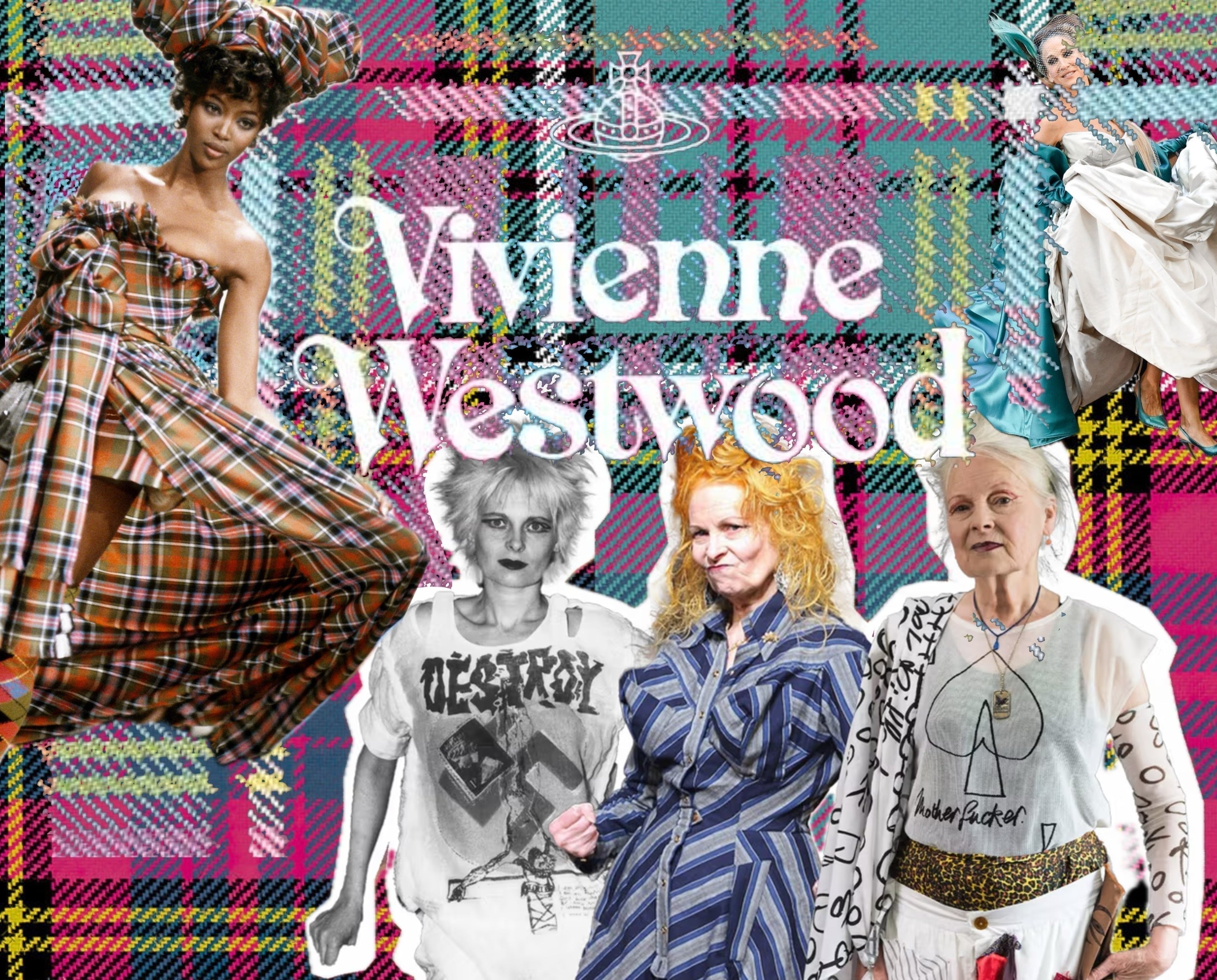
Discover why Vivienne Westwood remains one of fashion’s most influential designers, known for signature punk designs, orb jewelry, and rebellious style.