モードの最前線──いま世界を動かす5人のアヴァンギャルド・デザイナー
いま、モードを定義する5人のアヴァンギャルド・デザイナー

アヴァンギャルドなファッションは、つねに文化の縁(へり)に存在してきた。トレンドを追うのではなく、トレンドそのものを問い直す。美とは何か、シルエットとは何か、そして服が存在する意味とは何か──見慣れた前提を、根本から揺さぶっていく。多くのブランドが季節のサイクルと商業的な要請に沿って動くなか、アヴァンギャルドなデザイナーたちは創造の境界を押し広げつづけ、業界全体の思考やデザイン、その進化のあり方までも塗り替えていく。
いま、モードでもっともスリリングな声を放っているのは、実験を恐れない者たちだ。テーラリングを再構築し、服を解体し、まったく新しいヴィジュアル・ランゲージを立ち上げていく。アヴァンギャルドの世界に足を踏み入れたばかりのあなたも、その流れをもっと深く知りたいあなたも──ここで紹介する顔ぶれは、いまのモードをかたちづくる、もっとも影響力のある名前たちだ。
アヴァンギャルド・ファッションとは何か

「アヴァンギャルド」という言葉は、「前衛=先頭に立つ部隊」を意味するフランスの軍事用語に由来する。運動のいちばん前に身を置く者たち、という意味だ。モードにおいてアヴァンギャルドとは、慣習に挑み、服という存在に新しい思考のかたちを持ち込むデザインを指す。
着やすさやトレンドを優先しがちな従来のファッションとは違い、アヴァンギャルドが向き合うのは実験であり、コンセプトであり、芸術としての表現だ。奇異なほどのシルエット、予想を裏切る素材、解体(デコンストラクション)、そして既成の規範を疑ってかかる姿勢──そうしたものが、その輪郭を形づくっている。

すべてのアヴァンギャルドな一着が、日常着として設計されているわけではない。それでも彼らが差し出すアイデアは、その後何年にもわたって、モードの風景そのものを静かに変えていく。
アヴァンギャルド・ファッションは、誰が始めたのか

アヴァンギャルド・ファッションの起源を、たった一人のデザイナーにたどることはできない。20世紀を通じて、Elsa Schiaparelli(エルザ・スキャパレリ)のような先見者たちが、シュルレアリスムと芸術家との協働を通して、従来の装いに挑んできた。やがて1980年代には、Comme des Garçons(コム・デ・ギャルソン)の川久保玲や、山本耀司といった日本のデザイナーたちが、アシンメトリー、解体、常識を外れたプロポーションを持ち込み、モードそのものを変えてしまった。
時を同じくして、アントワープから登場したベルギーのデザイナーたちが、コンセプチュアルなデザインと知的なストーリーテリングによって、ファッションを定義し直しはじめる。その影響は、いま名を知られるアヴァンギャルド・デザイナーたちの多くに、今なお受け継がれている。
こうした先駆者たちが築いたのは、ファッションについてのまったく新しい理解だった。服とは、ただトレンドをなぞるものではなく、思想や感情、そして文化への批評までも語りうる存在なのだ──そんな理解を。
アヴァンギャルド・デザイナーは、何で知られているのか
モードへの向き合い方は、デザイナーごとに異なる。それでも、アヴァンギャルドなデザイナーたちには、いくつか共通する特徴がある。

彼らはしばしばシルエットで実験を重ね、プロポーションやフィットの常識を揺さぶるかたちを生み出す。多くが解体(デコンストラクション)を厭わず、通常は隠されるはずの縫い目や裏地、構築の技法を、あえて露わにする。ストーリーテリングもまた大きな役割を担い、コレクションはコンセプトや文化的な引用、哲学的な思索を軸に組み立てられていく。
そして何より、アヴァンギャルドなデザイナーたちは、慣習よりも独自性を選ぶ。その仕事は、見る者にも着る者にも問いかける──服とは、自分自身を語るための表現たりうるのではないか、と。
いま、モードを定義する5人のアヴァンギャルド・デザイナー
Rick Owens(リック・オウエンス)──現代の闇を設計する建築家

Rick Owens(リック・オウエンス)ほど、現代のモードを深いところから形づくってきたデザイナーは多くない。1990年代に自身のレーベルを立ち上げて以来、彼はドラマティックなプロポーション、建築を思わせるシルエット、モノクロームのパレットを軸に、唯一無二のヴィジュアル・ランゲージを磨き上げてきた。

ブルータリズム建築、古代彫刻、アンダーグラウンドの音楽、そして現代のカルチャー──彼のコレクションは、そのすべてを一枚の服に溶かし込む。生まれるのは、未来的でありながら、どこか時代を超えた服だ。いまなお Rick Owens は、モードの現場でもっとも優れたアヴァンギャルド・デザイナーの一人でありつづけ、ラグジュアリー・メゾンから新興のストリートウェアまで、あらゆる場所に影響を落としている
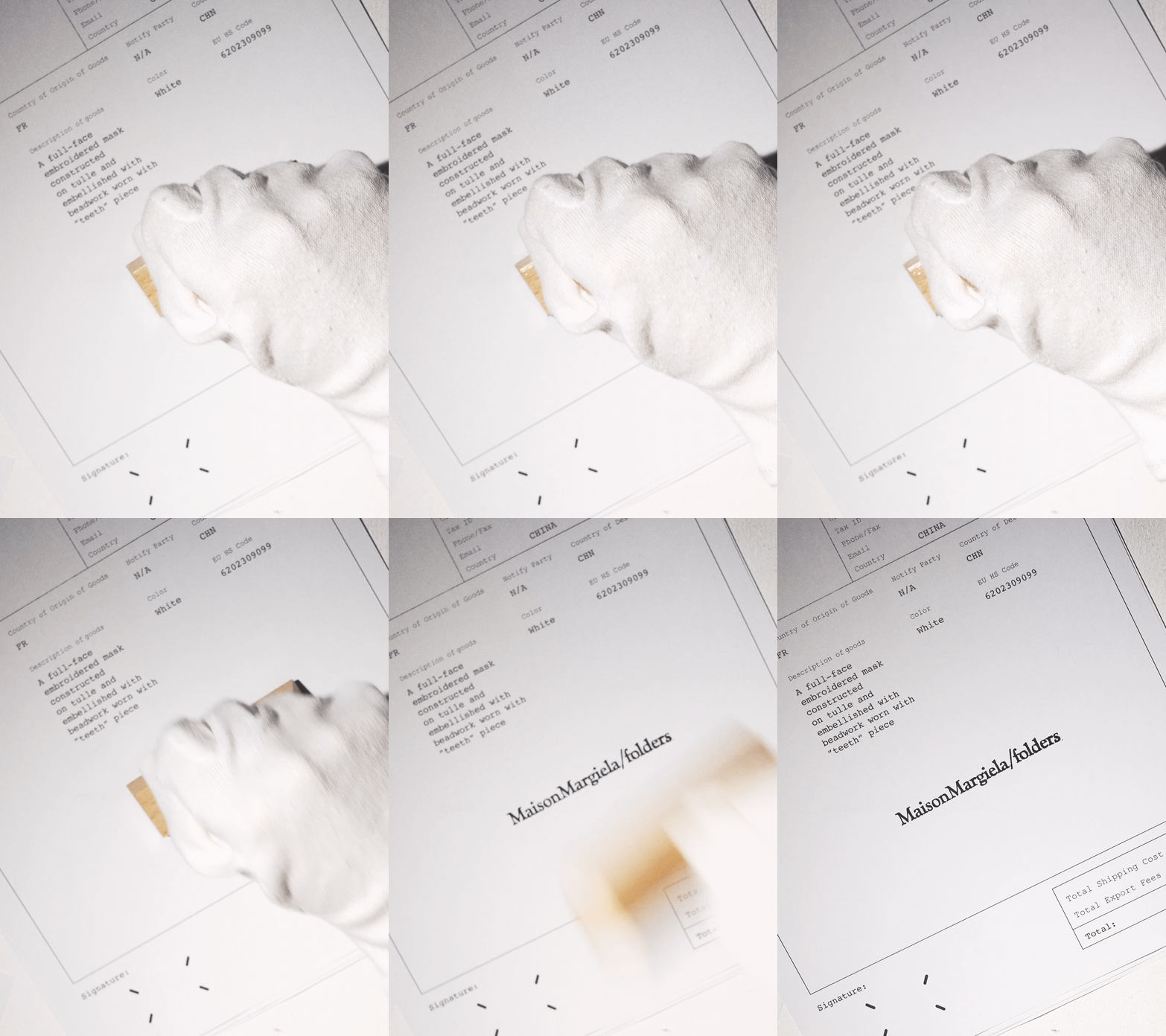
Maison Margiela(メゾン・マルジェラ)──解体の巨匠

Maison Margiela(メゾン・マルジェラ)は、これまで隠されてきたものをあえて露わにすることで、ファッションを変えてしまった。1988年に Martin Margiela(マルタン・マルジェラ)が創設したこのメゾンは、解体、匿名性、そしてコンセプチュアルなデザインの代名詞となっていく。

露出した縫い目、再構築された服、そして象徴的な《Tabi(タビ・足袋)シューズ》は、モードのなかでもっとも見紛うことのないサインとなった。数十年を経たいまも、Maison Margiela は実験と革新を通して、現代のラグジュアリーを定義し直しつづけている。そのDNAは今日のモードのあらゆる場所に見てとれ、歴史上もっとも重要なアヴァンギャルド・デザイナーの一つに数えられる理由になっている。Maison Margiela のデザイナーズバッグのセレクションも、ぜひチェックしてほしい。
Vivienne Westwood(ヴィヴィアン・ウエストウッド)──反逆としてのファッション

「ディスラプション」がマーケティング用語になるずっと前から、Vivienne Westwood(ヴィヴィアン・ウエストウッド)はファッションの常識に挑みつづけていた。1970年代、ロンドンのパンク・ムーヴメントから現れた彼女は、服を、自己表現と文化批評のための強靭な武器へと変えていった。

歴史への参照と、反逆のエネルギー。コルセット、テーラリング、タータン、そして政治的アクティヴィズム──彼女はそのすべてを、ひとつの揺るぎないヴィジョンへと束ねてみせた。その影響はいまやファッションの枠を超え、音楽へ、映画へ、テレビへ、現代のポップ・カルチャーの隅々へと広がっている。これほど深い爪痕を残したアヴァンギャルド・デザイナーは、そう多くない。
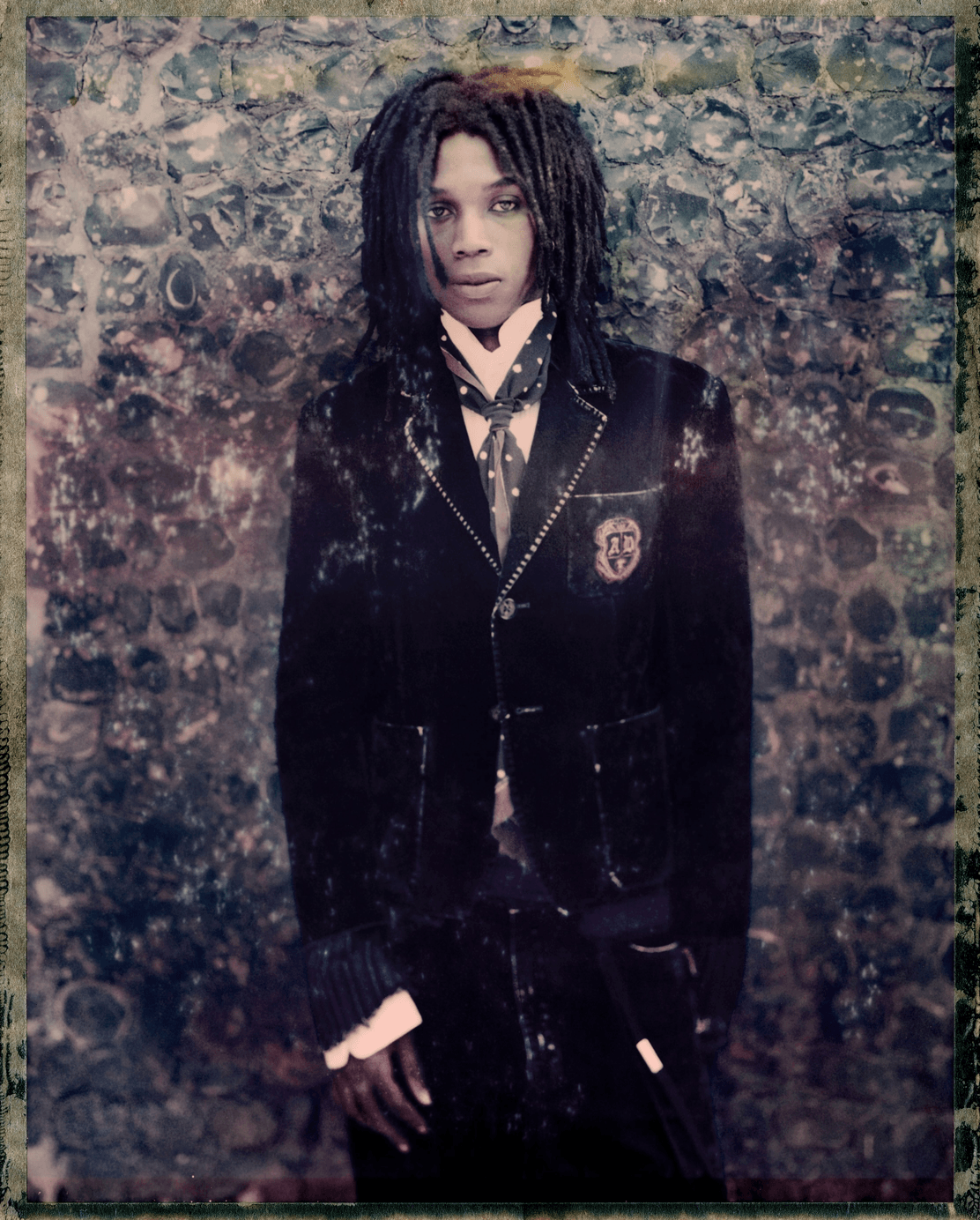
Ann Demeulemeester(アン・ドゥムルメステール)──黒の詩

伝説的な「アントワープ・シックス」の一員として、Ann Demeulemeester(アン・ドゥムルメステール)は、知性と情感の宿るまなざしから、ファッションを定義し直してきた。細く引き伸ばされたシルエット、モノクロームのパレット、そしてロマンティシズムと抑制のあいだの、絶妙な均衡──それが彼女の服だ。

トレンドやロゴに寄りかかることなく、Demeulemeester が生み出すのは、どこまでも個人的で、内省的な服だ。そのコレクションはしばしば詩や音楽、芸術表現からインスピレーションを汲み上げ、彼女をこの40年でもっとも敬愛されるアヴァンギャルド・デザイナーの一人へと押し上げてきた。
Courrèges(クレージュ)──未来を、もう一度思い描く

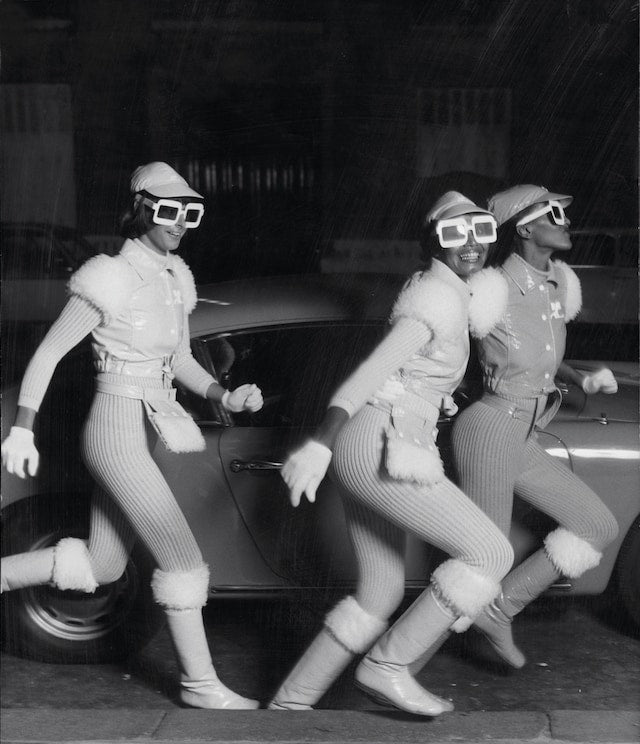
1960年代に André Courrèges(アンドレ・クレージュ)が創設したこのメゾンは、未来的なファッションのヴィジョンで知られる存在となった。そして現在のクリエイティブ・ディレクションのもと、Courrèges(クレージュ)はめざましい復活を遂げている──スペースエイジの遺産を、現代のミニマリズムへとふたたび結び直しながら。

いまブランドが探求するのは、彫刻的なシルエット、革新的な素材、そして澄んだ建築的なライン。それでいて、新しい世代のファッション好きたちの心を、しっかりとつかみつづけている。ヘリテージと革新のあいだで均衡を取ってみせるその手腕が、Courrèges を、現代のアヴァンギャルドでもっともスリリングな名前の一つにしている。
それでも、アヴァンギャルドが意味を持ちつづける理由

目まぐるしいトレンドと、アルゴリズムに駆動される消費が支配するこの時代に、アヴァンギャルドなファッションは大切な役割を担っている。ファッションは、商いを超えたものになりうる──創造性であり、文化への批評であり、芸術としての探求でありうるのだと、それは思い出させてくれる。
アヴァンギャルドのランウェイで生まれた多くのアイデアは、やがてメインストリームのファッションへと流れ込んでいく。オーバーサイズのシルエット、解体、ジェンダーの境界を溶かす装い、コンセプチュアルなプレゼンテーション──そのすべては、常識に挑むことを恐れないデザイナーたちから始まった。
アヴァンギャルドなファッションが業界を前へ押し進めつづけるのは、それが決して立ち止まろうとしないからにほかならない。
feuille が選ぶ、アヴァンギャルド・デザイナーたち

feuille が信じているのは、もっとも心を掴むファッションは、明確な視点を持つデザイナーから生まれる、ということ。トレンドを追いかけるのではなく、慣習に挑み、新しいアイデアを差し出し、文化に長く残る何かを刻むブランドを、私たちは探しつづけている。
Rick Owens の建築的な世界、Maison Margiela のコンセプチュアルな革新、Vivienne Westwood の反逆精神、Ann Demeulemeester の詩的なミニマリズム、そして Courrèges の未来的なエネルギー──ここに挙げたデザイナーたちは、いままさに更新されつづけるモードの未来そのものだ。
feuille がキュレーションしたセレクションを、ぜひのぞいてみてほしい。世界でもっとも影響力を持つアヴァンギャルド・デザイナーたちが、いまの私たちの装いをなぜ今も刺激しつづけるのか──その理由が、きっと見えてくるはずだ。