

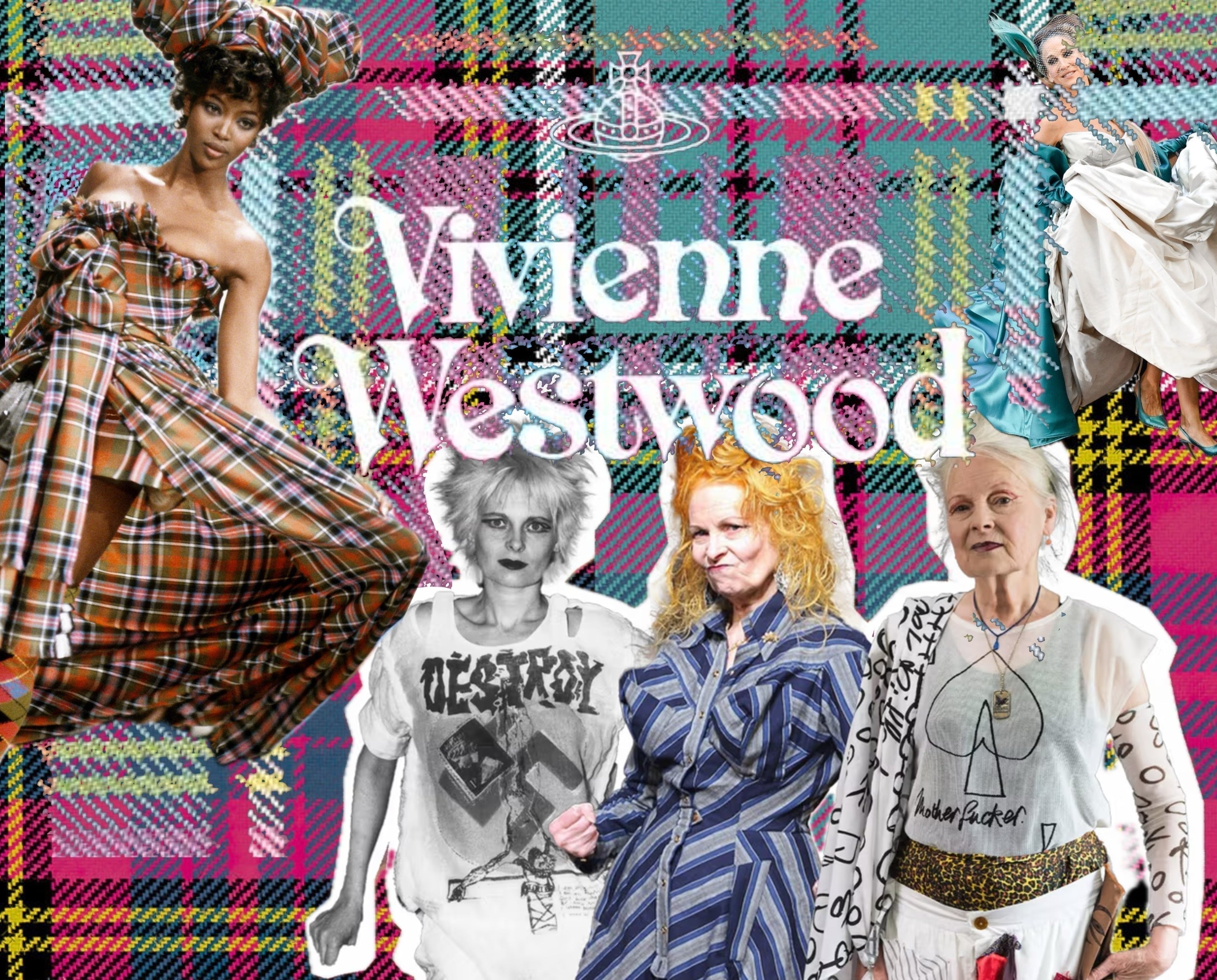
Vivienne Westwood : créations emblématiques, héritage punk et pourquoi la marque est si populaire
Vivienne Westwood
L'histoire derrière ses créations emblématiques et son influence culturelle

Vivienne Westwood n'a jamais cherché à créer des vêtements qui soient simplement beaux. Elle créait des vêtements qui signifiaient quelque chose. Dès le début, son travail a défié l'autorité, remis en question les traditions et réécrit les règles de ce que la mode pouvait représenter. Comprendre Vivienne Westwood, c'est comprendre la mode non pas comme une simple parure, mais comme un langage — politique, culturel et profondément personnel.

Née dans le Derbyshire en 1941, Westwood n'était pas issue de l'élite traditionnelle de la mode. Elle était enseignante avant de devenir créatrice, entrant dans l'industrie sans formation formelle mais avec un point de vue sans compromis. Cette perspective d'outsider allait devenir sa plus grande force. Dans les années 1970, aux côtés de Malcolm McLaren, elle a ouvert une petite boutique sur King’s Road à Londres — un espace qui allait évoluer à travers de multiples noms et identités, tout comme les sous-cultures qu'il habillait. Cette boutique est devenue le berceau visuel et idéologique du punk.
De la rupture punk à l'institution culturelle
Ses créations emblématiques

Vivienne Westwood n'a pas seulement habillé un mouvement, elle a aidé à le définir. Ses premières créations ont déchiré les conventions de la mode : épingles à nourrice, références au bondage, tissus lacérés et slogans provocateurs n'étaient pas là pour choquer gratuitement, mais comme des outils délibérés de protestation. Le punk, à travers le prisme de Westwood, était un refus de se conformer — et la mode en était la voix la plus forte.
Pourtant, ce qui rend Vivienne Westwood si populaire, ce n'est pas qu'elle soit restée dans la rébellion, mais qu'elle a évolué au-delà. À mesure que la marque mûrissait, des références historiques ont fait leur apparition dans son travail : corsetage, coupes structurées, silhouettes du XVIIIe siècle et héritage britannique classique. Elle ne traitait pas l'histoire comme quelque chose de précieux et d'intouchable, mais comme une matière à retravailler, à contester et à moderniser.

Cette collision — l'irrévérence punk rencontrant la structure aristocratique — est devenue la signature de la marque. C'est pourquoi les créations emblématiques de Vivienne Westwood semblent à la fois radicales et raffinées, chaotiques et pourtant intelligentes. Son travail a influencé des générations de créateurs, de ceux explorant la déconstruction à ceux redéfinissant le genre, le pouvoir et l'identité à travers le vêtement.
Pourquoi Vivienne Westwood est toujours
Aussi populaire
La pertinence de Vivienne Westwood n'a jamais dépendu des tendances. Elle venait de ses convictions. Bien avant que le développement durable ne devienne un terme marketing, elle parlait du changement climatique, de la surconsommation et de la responsabilité des créateurs comme des consommateurs. Son célèbre mantra — « Achetez moins, choisissez bien, faites durer » — reste l'une des philosophies les plus citées de la mode moderne.

Les gens aiment Vivienne Westwood car porter la marque donne l'impression de participer. Chaque pièce est empreinte d'attitude, d'intelligence et d'intention. Elle ne demande pas à être portée discrètement. Elle demande à celui qui la porte de réfléchir, de questionner et de défendre ses idées — qu'il s'agisse de conscience politique, d'individualité ou simplement du courage de s'habiller différemment.
Le langage des bijoux : étoiles, orbes et symboles

Les bijoux Vivienne Westwood ne sont pas décoratifs par hasard. Ils sont symboliques, codés et reconnaissables entre tous.
L'emblématique Orbe — un globe surmonté d'un anneau de Saturne — représente la tension au cœur de la marque : tradition contre progrès. Il combine l'insigne royal avec le futurisme de l'ère spatiale, ancrant le passé tout en pointant vers l'avenir.Les étoiles, souvent vues sur des colliers, boucles d'oreilles et sacs, évoquent la rébellion, la guidance et l'individualité — un rappel céleste de regarder au-delà des systèmes établis.

Ces pièces fonctionnent comme des emblèmes portables. Elles portent l'esprit de la vision du monde de Westwood sous des formes compactes et puissantes. Le bijou, dans ce contexte, devient à la fois personnel et politique — un petit acte d'expression de soi avec un écho culturel plus large.
✦ Entretien des bijoux, à la manière de Vivienne

Les bijoux Vivienne Westwood sont conçus comme des bijoux fantaisie expressifs, fabriqués à partir de matériaux tels que le laiton, les perles à base de verre et les cristaux de zircone cubique. Pour conserver l'apparence et l'intégrité de chaque pièce au fil du temps, nous recommandons d'éviter tout contact avec l'eau, une humidité excessive et les surfaces abrasives. Les perles à base de verre sont particulièrement délicates et doivent être rangées séparément des autres bijoux — idéalement dans une pochette en tissu doux ou enveloppées individuellement pour éviter les rayures. Après les avoir portés, essuyez délicatement chaque pièce avec un chiffon propre et doux pour éliminer les résidus et le sébum.
En règle générale, les bijoux doivent toujours être la touche finale de votre tenue. Les cosmétiques appliqués tout en portant des bijoux peuvent s'accumuler à la surface et ternir leur finition, tandis que l'alcool et les acides contenus dans les parfums peuvent causer des dommages permanents. Avec un entretien attentionné, chaque pièce vieillira avec grâce, développant du caractère tout en préservant le langage visuel distinct qui définit les créations de Vivienne Westwood.
Un héritage au-delà de la créatrice
Vivienne Westwood n'est peut-être plus là, mais son influence continue de se propager bien au-delà de la mode. Son esthétique a longtemps habité la culture populaire — façonnant la manière dont la rébellion, la romance et l'individualité sont codées visuellement dans la télévision, la musique et l'animation.
À l'écran, ses créations sont devenues le symbole d'une féminité assumée et de la défiance. Dans Sex and the City, le corsetage, la robe de mariée et les bijoux affirmés de Westwood ont capturé un nouveau type de « power dressing » — sensuel, intellectuel et conscient de soi. Dans l'animation, en particulier dans des séries cultes comme NANA, son influence semble encore plus intime. Les colliers Orbe, les tailleurs en tartan et les silhouettes inspirées du punk sont devenus des symboles de jeunesse, de vulnérabilité et d'expression de soi — portés non pas comme une tendance, mais comme une identité.

Célébrités et musiciens continuent de faire avancer ce langage, choisissant Vivienne Westwood pour des moments qui exigent de la personnalité plutôt que du vernis. Que ce soit sur scène, dans des éditoriaux ou dans la vie quotidienne, ces pièces signalent l'indépendance et une culture affirmée plutôt que la conformité.
Aujourd'hui, la maison perdure comme un dialogue vivant entre passé et présent — punk et élégance, rébellion et romance. Porter Vivienne Westwood n'est pas de la nostalgie ; c'est participer à un héritage culturel qui refuse de rester immobile.
Chez feuille, nous sommes fiers de proposer Vivienne Westwood — en sélectionnant des pièces qui honorent sa vision tout en restant en phase avec notre façon de nous habiller aujourd'hui.

En lire plus
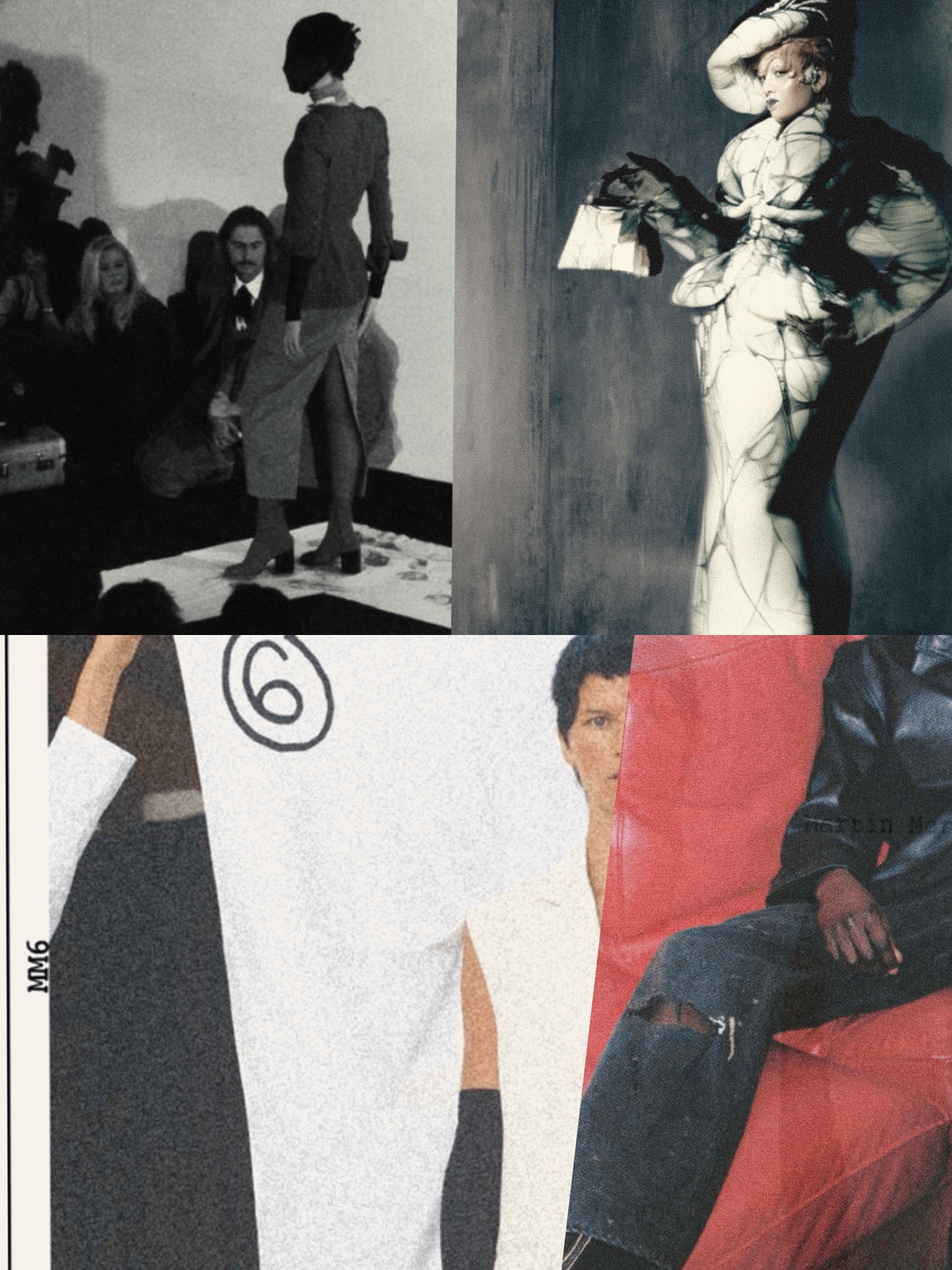
De la déconstruction au prêt-à-porter, cette pièce retrace la relation entre Maison Margiela et MM6 — deux expressions d'une même philosophie durable façonnant la mode moderne.
Une exploration de la vision poétique d’Ann Demeulemeester — de ses racines anversoises et l'ascension des Six d'Anvers à un héritage défini par un romantisme sombre, une coupe précise et une rébel...